
Gongyi Xinqi Polymer Co., Ltd.NONIONIC POLYACRYLAMIDE
Product & application catalogue

NPAM / PRODUCT CATALOGUE

Nonionic Polyacrylamide Buying Guides & Technical Notes

Connect grade qualification, application evidence and order requirements before purchasing nonionic powder.

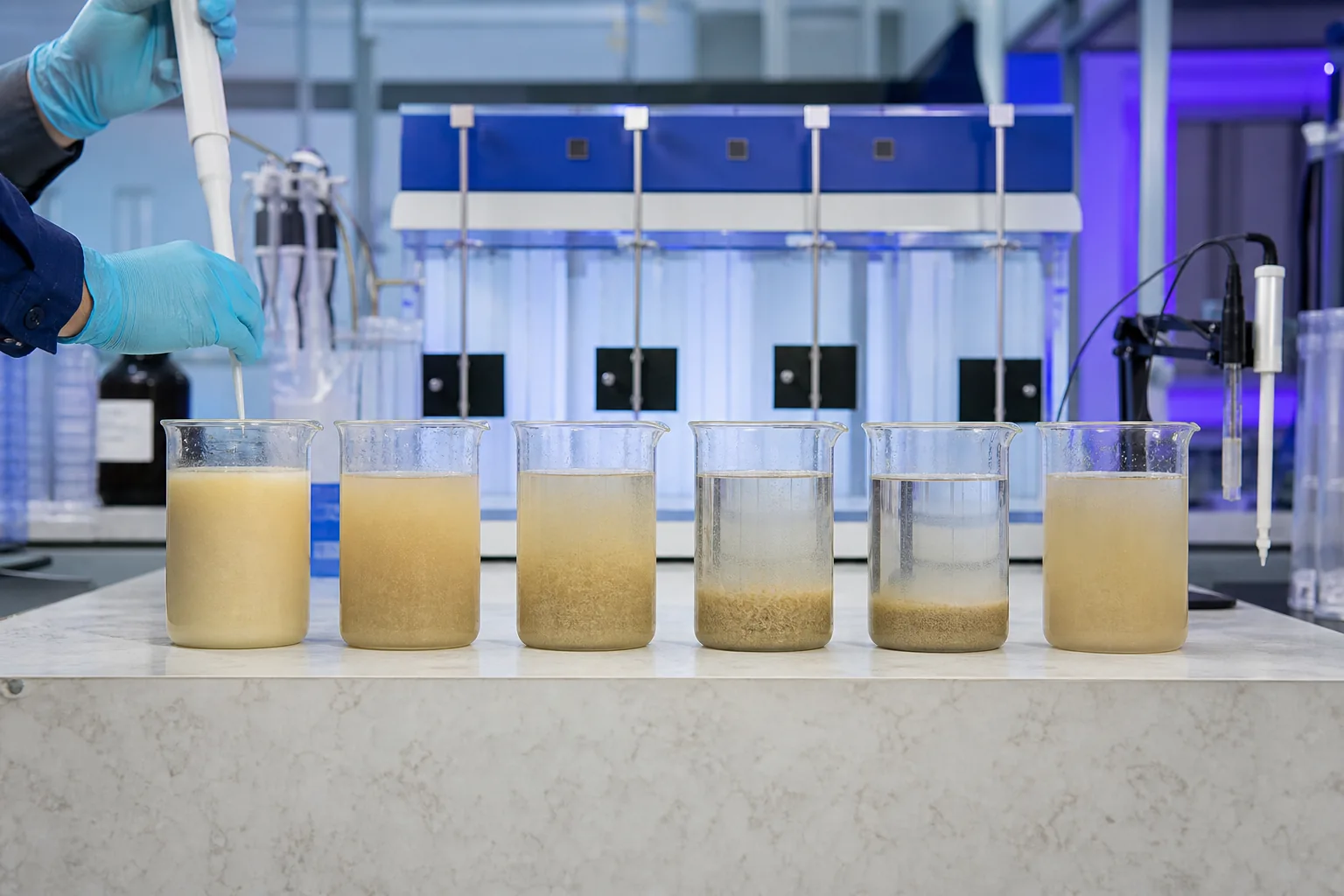
Illustrative laboratory comparison of polymer-treated suspensions
Illustrative process scene; illustration, not a photograph of a certified product.

Buying and supply

NOTE 01

Nonionic Polyacrylamide Price per Ton: Compare Qualified Offers

Compare NPAM price per ton using the same grade, dose basis, delivery scope and accepted separation result before selecting a supply quotation.

Read the note ↗
NOTE 02

Choosing a Nonionic Polyacrylamide Supplier: Qualification Evidence

Qualify an NPAM supplier through product identity, sample traceability, technical response and order documents rather than a nonionic powder label alone.

Read the note ↗
NOTE 03

Nonionic Polyacrylamide COA and Batch Acceptance Checks

Review an NPAM COA against the ordered code, lot identity, agreed methods and receipt evidence before releasing a delivered batch for use.

Read the note ↗
NOTE 04

Bulk Nonionic Polyacrylamide Packaging: Choosing an Order Size

Choose NPAM powder packaging using consumption, feeder handling, moisture protection and lot traceability before requesting a bulk order.

Read the note ↗
NOTE 05

Nonionic Polyacrylamide Import Quotation: Information Buyers Need

Prepare an NPAM import quotation request with qualified grade, quantity, named destination, packaging and document scope for comparable supplier offers.

Read the note ↗
NOTE 06

Reordering Nonionic Polyacrylamide: Preventing Grade Drift

Control NPAM repeat orders with an approved product code, document revisions, change notification and lot acceptance instead of copying an old bag description.

Read the note ↗
NOTE 07

Nonionic Polyacrylamide Supply Tender: Technical and Price Gates

Structure an NPAM annual supply tender with qualified grades, consumption-based comparison, delivery assumptions and controlled substitution rules.

Read the note ↗

Grade qualification

Application purchasing

NOTE 01

Nonionic vs Anionic Polyacrylamide: Which Grade Should You Buy?

Compare nonionic and anionic PAM using matched feed, defined preparation and separator endpoints before approving a grade-family change.

Read the note ↗
NOTE 02

Nonionic Polyacrylamide for Sand Washing: Sample-to-Order Checks

Assess NPAM for sand-washing water with representative fines, reused-water quality, underflow handling and a documented sample-to-order decision.

Read the note ↗
NOTE 03

Nonionic Polyacrylamide for Coal Washing: Supplier Trial Requirements

Request NPAM coal-washing samples with fines characterization, recycle-water conditions and thickener or filtration endpoints for supplier qualification.

Read the note ↗
NOTE 04

Buying Nonionic Polyacrylamide for a Tailings Thickener

Evaluate NPAM tailings-thickener supply using overflow quality, bed behavior, underflow handling and controlled equipment trials before bulk approval.

Read the note ↗
NOTE 05

Nonionic Polyacrylamide for Filter Presses: What to Test Before Buying

Qualify NPAM for filter-press duty through feed conditioning, filtrate quality, cycle observations and cake release rather than settling results alone.

Read the note ↗
NOTE 06

Nonionic Polyacrylamide for Acidic Water: Purchase Qualification

Screen NPAM for acidic process water with measured feed chemistry, controlled conditioning and separator evidence instead of approving from pH alone.

Read the note ↗
NOTE 07

Buying Nonionic Polyacrylamide for Saline or Recycled Water

Evaluate NPAM in saline and recycled-water circuits with identified make-down water, representative process feed and grade-specific preparation evidence.

Read the note ↗

Preparation and operating evidence

Choose the decision you need to make

Compare supplier offers and purchase requirements, qualify a product on representative feed, or investigate preparation and operating behavior. Each route connects the technical evidence with the proposed grade and supply decision.

WhatsAppEmail