
What the product name establishes
Nonionic polyacrylamide, often shortened to NPAM, is a water-soluble polymer family used in suitable solid–liquid separation duties. The name identifies a low-charge selection route, not a universal treatment recipe. Commercial grades can differ in molecular characteristics, preparation behavior and measured response.
Gongyi Xinqi Polymer Co., Ltd. lists nonionic polyacrylamide among its products. Ask for the proposed grade definition and documents rather than inferring a specification from the family name.
Separate preparation and application decisions
Dry polymer needs a reliable wetting and hydration arrangement before its process performance can be judged. Confirm the proposed product form and preparation instructions, then check whether the installed equipment can deliver the required usable solution volume.
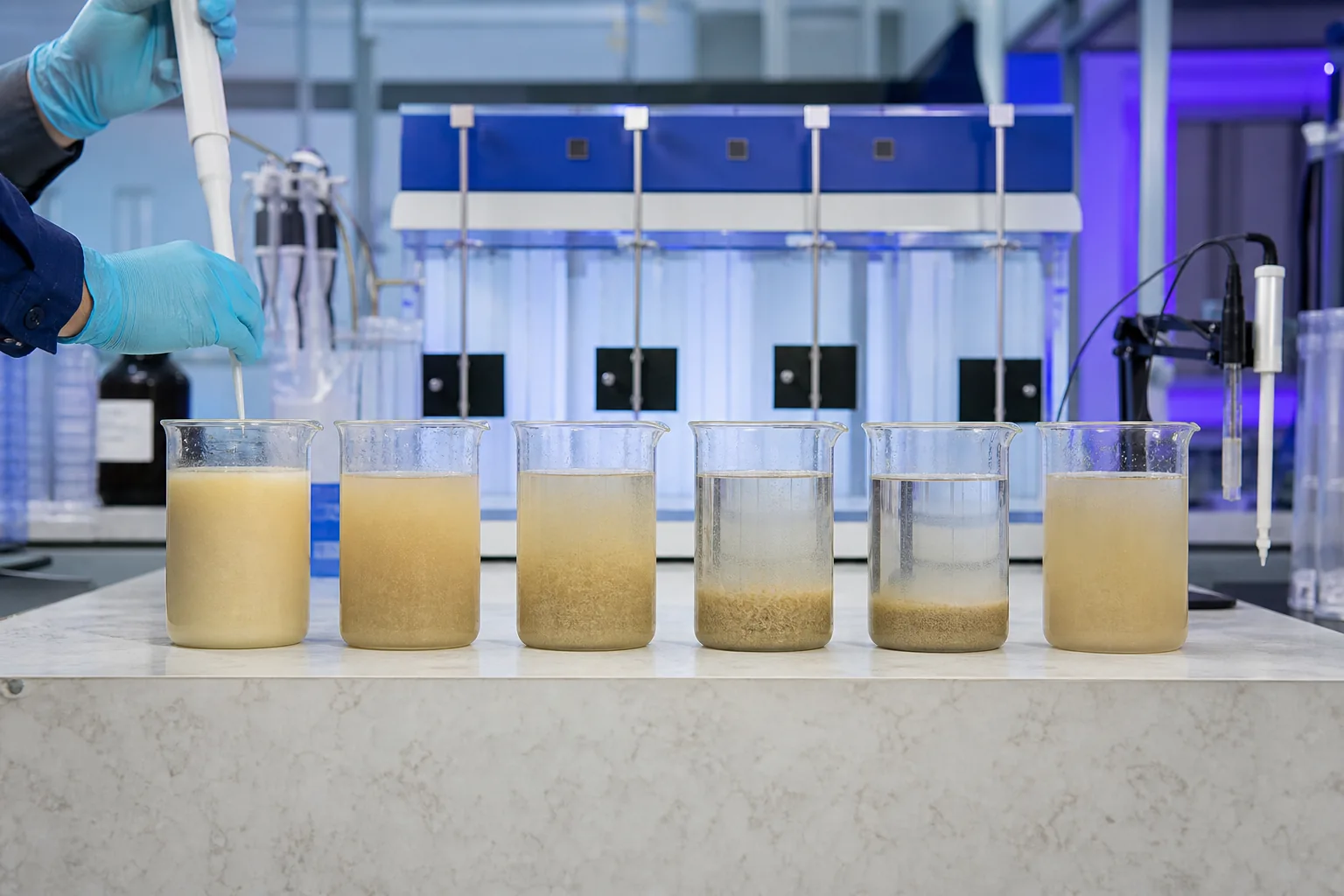
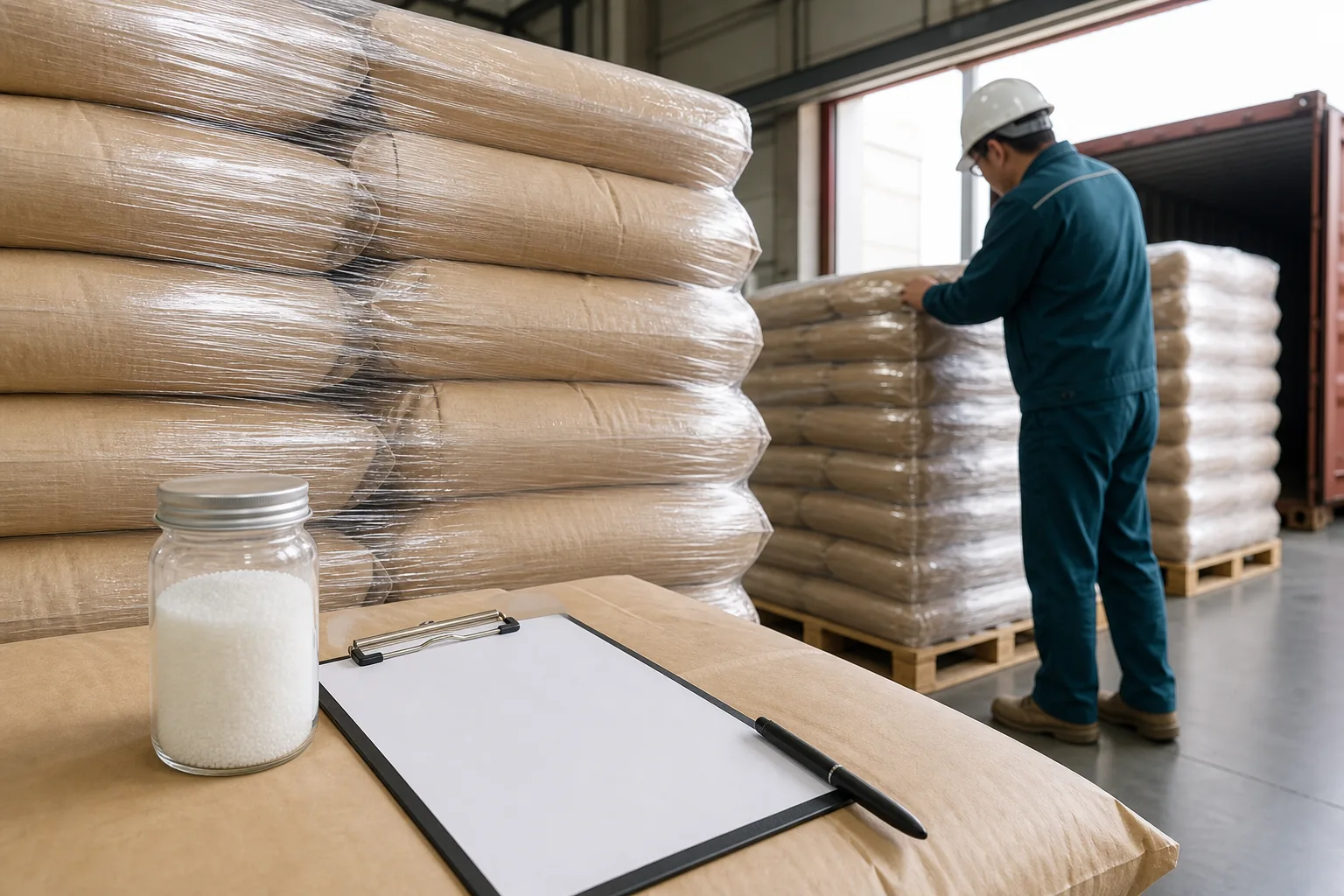
Compare NPAM powder handling with the plant’s available equipment. The grade selection record then ties a candidate to the separation endpoint.
Avoid a specification-only purchase
A molecular-weight description or solution-viscosity value does not prove that a product will produce the best overflow, drainage or solids capture. Establish the measurement method and compare the result on representative material.
Keep the product code, supplied sample, preparation conditions and dose basis together. If the current feed is variable, test more than one representative condition before treating a favorable result as a robust operating choice.
Send the information that narrows the sample set
Describe the suspension, water chemistry, current treatment and separator. State what must improve and what must not deteriorate. Include trial quantity, expected consumption and destination for a supply discussion.
Use the trial planning sequence to request a focused comparison rather than a large set of unexplained samples.
Resolve the purchase requirements
Use Nonionic Polyacrylamide Specifications for a Purchase Order, Nonionic vs Anionic Polyacrylamide: Which Grade Should You Buy? to connect the process requirement with the proposed supply. Confirm the product code and unresolved acceptance questions before committing to the order.